
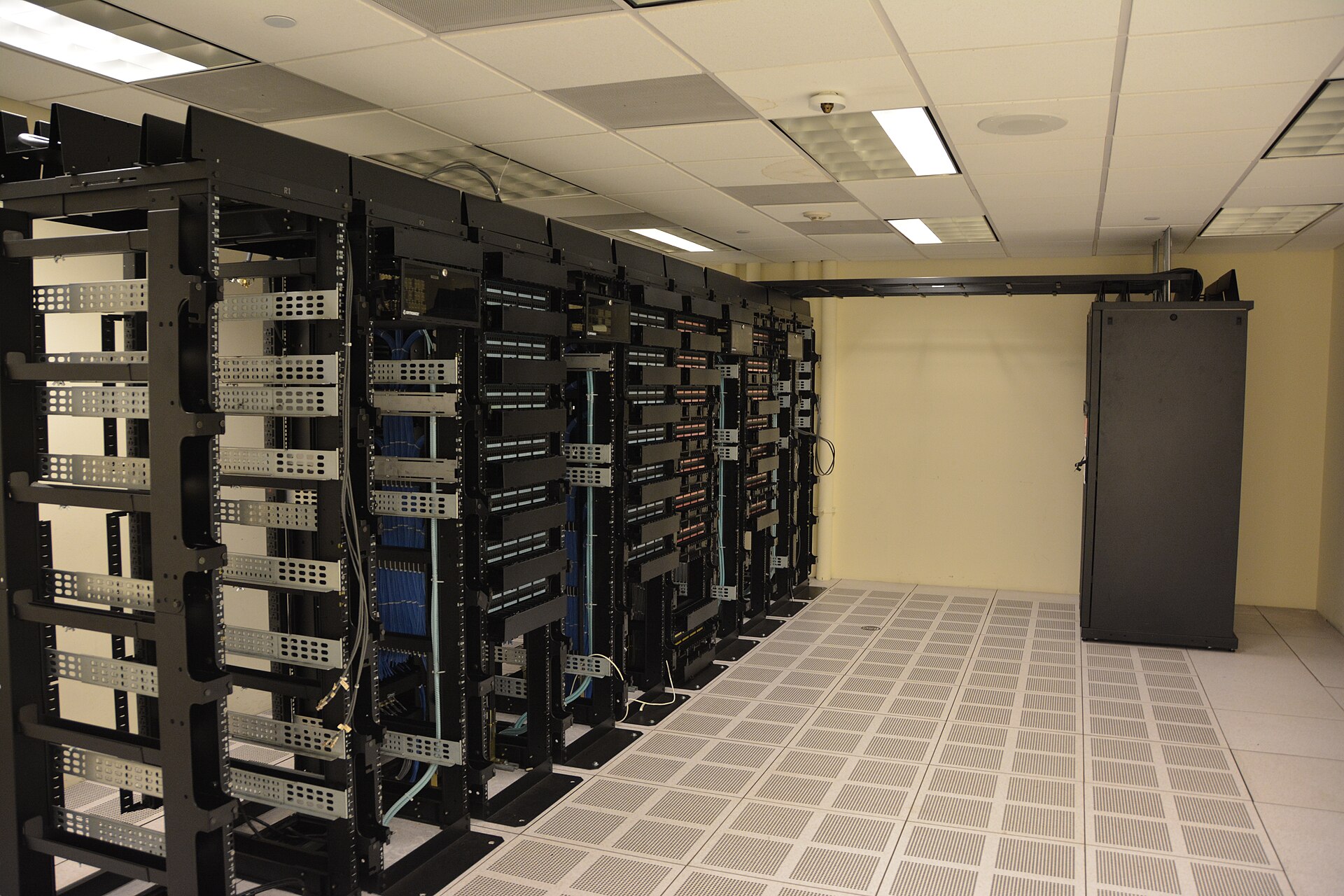






India’s data centre story is usually told in megawatts of server capacity. The more useful measure is electricity, and where it can be delivered.
Global technology companies have already worked this out. Meta has contracted nearly 1 GW of renewable capacity in India, including 837 MW of solar and wind power through CleanMax and 88 MW through Fourth Partner Energy. Amazon has 199 MW of wind power deals. Google has signed a long term agreement backing a 150 MW solar project in Rajasthan. As AI and cloud demand grows, power has become part of how these companies plan for India.
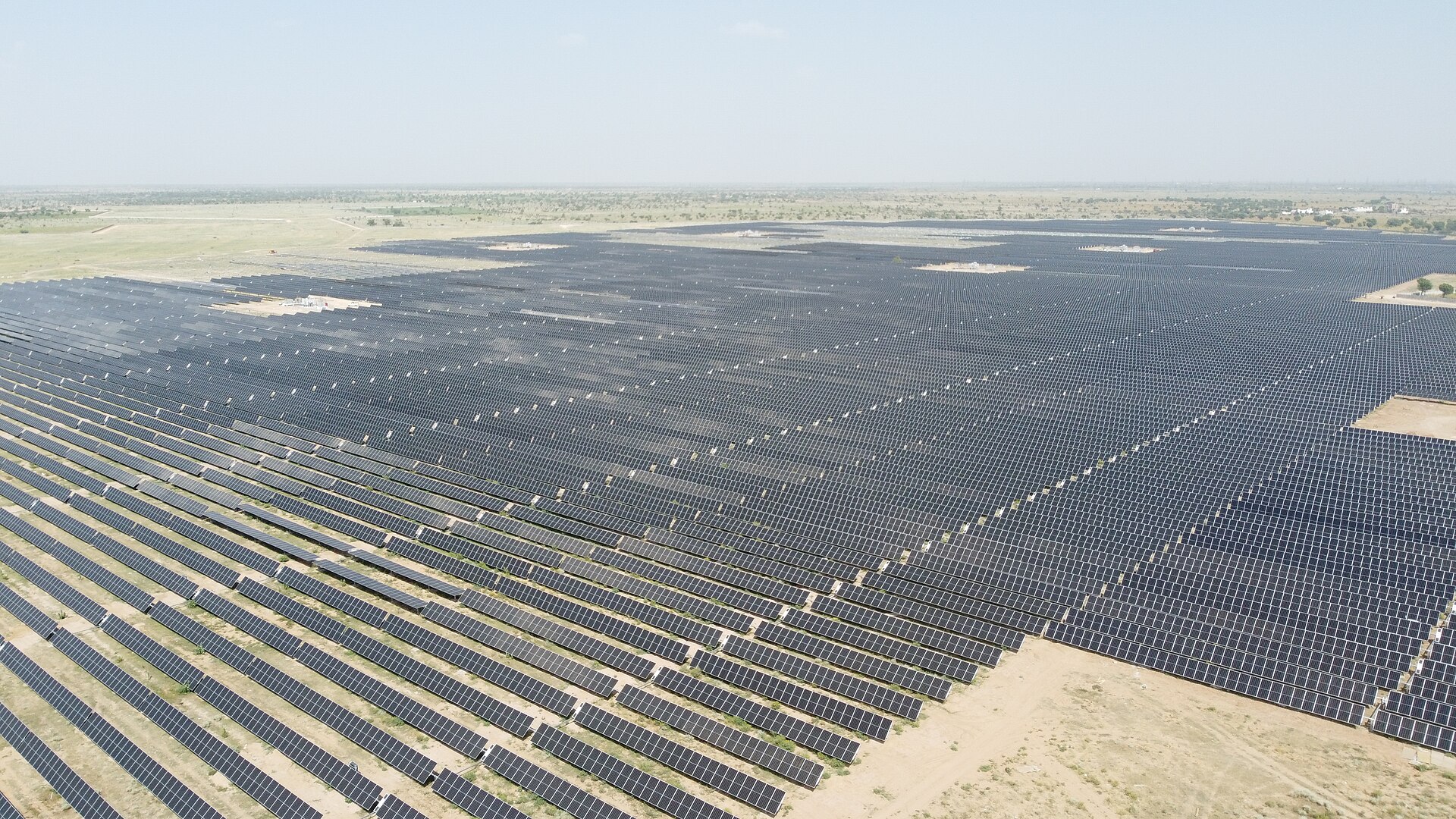
The same summer offered a sharper lesson. In July and August, India curtailed about 1.8 billion units of renewable electricity, most of it solar. Demand was at a record and parts of the system were short of power, yet the grid could not take it all. Clean power is being contracted at scale while some of it goes to waste. That gap, between power that exists and power that reaches the right place at the right hour, is the real test for India’s data centre ambitions.
The Numbers Have Moved Fast
India’s data centres had about 375 MW of capacity in 2020. By 2025, that had grown to nearly 1,500 MW. Official projections have since climbed steeply. In March, the government estimated that data centre electricity demand could reach 13.56 GW by FY32. In July, it told Parliament that AI data centres alone would add 26.3 GW of load by the same year.
The two figures are not strictly comparable. The March estimate covers all data centre demand. The July figure is additional load from AI data centres, built up from projects that states have received. These are proposals, and utilities still have to establish which projects will proceed and when. Even so, the direction is clear, and planners are right to prepare for the higher number rather than the lower one.
At the national level, the load is manageable. Data centres are expected to account for about 2.6% of India’s electricity generation by 2030, up from 0.84% in 2024. The pressure will be local. Most facilities cluster around IT hubs, and officials have discussed locating new campuses away from urban centres to avoid transmission congestion. That is a sensible instinct, provided connectivity and power move with them.
Where the System Will Be Tested
The first test is the connection itself. A data centre cannot draw on a national surplus. It needs firm capacity at its own gate. Of the projected 26.3 GW, grid connection applications covering about 17 GW have been filed. Requests for the remaining 9.3 GW have yet to come in. The load profile adds a further challenge. Data centre demand can be spiky, with sharp ramps, and grid operators have flagged this as a stability concern.
The second test is delivery. India has added renewable capacity at remarkable speed, reaching about 243 GW excluding large hydro by the end of August. Government data showed 14% of solar output was held back between April and June. The transmission network has struggled to keep pace with the rise in green energy, and in July and August grid and operational constraints forced further curtailment. For a data centre operator, a clean power contract is worth only as much as the network that carries it.
The third test is time of day. Data centres run around the clock. Solar does not. In one week in August, the grid met demand in full during solar hours but fell short by as much as 1.28 GW outside them. Coal still supplied about two thirds of India’s electricity in the quarter to September. Contract structures also blur the picture. Virtual power purchase agreements support clean generation, but they do not necessarily deliver electricity from a specific project to a particular data centre.
The Policy Response Is Taking Shape
The government is moving on each of these fronts. The Central Electricity Authority has proposed making battery storage mandatory at new ground mounted solar and onshore wind projects commissioned from July 2027. This is the most direct answer to the evening gap. The authority is also reassessing demand maps as data centres cluster in a few states. It will ask states and distribution companies to build data centre load into their resource adequacy plans. The next National Electricity Plan, covering FY28 to FY37, is expected by March 2027.
These are the right levers. Storage addresses timing. Demand mapping addresses location. State level planning puts responsibility where the strain will actually be felt.
For investors, the implications are already visible. Power purchase agreements often run 15 to 20 years, which ties today’s sourcing decisions to the next two decades of operations. Meta’s nearly 1 GW of renewable contracts sits alongside its partnership with Reliance Industries on a 168 MW AI data centre in Jamnagar. Power is no longer a line item in the investment case. It is close to the centre of it.
What Will Decide the Outcome
India does not face a simple shortage of electricity. It faces a mismatch of place and time. Power is plentiful in some states and some hours, and scarce in others.
That shifts the competition among states. Land, approvals and incentives will still matter, but they are no longer enough. The states that win the next round of data centre investment will be the ones that deliver connections on schedule, carry clean power to the site, and back it with storage after sunset.
India can keep pace with its data centre expansion. Renewable capacity is growing and the policy framework is catching up. The outcome will turn on execution: getting the right power to the right site at the right hour.
Meta, Amazon and Google are in our Foreign Companies in India directory.