
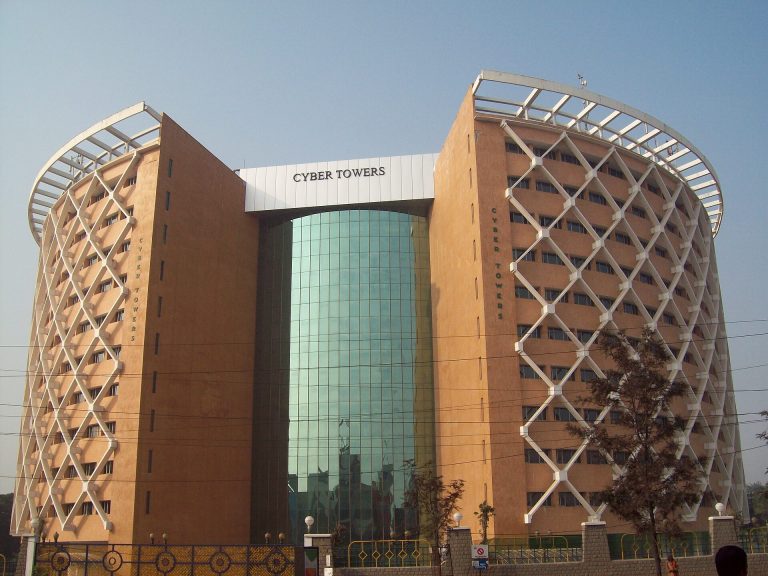




Backbase opened an extra 30,000 sq ft in Hyderabad’s HITEC City on October 9. The Amsterdam banking software company had fewer than 50 engineers in India in 2020. It now has more than 600, and India has become its largest engineering base outside its home city. The new floor space is expected to bring another 300 skilled jobs.
Explaining the choice, the company listed four things: a deep talent pool, cost efficiency, proximity to key customers and engineers who bring fresh thinking to complex problems. Its India site leader put the tenfold rise in headcount over five years down to the people it had found in the city. Incentives never came into it.
T-Mobile gave much the same account in June. The US telecom operator opened its Hyderabad GCC on June 4, leasing about 250,000 sq ft. The Telangana government says T-Mobile plans to employ nearly 1,000 people there by 2027, in software engineering, DevOps, product development, data analytics and cybersecurity. The centre’s vice president of IT said Hyderabad won on its technology talent, its innovation ecosystem and its established infrastructure.
States, meanwhile, have been spending real effort on packages. Madhya Pradesh, Odisha, Kerala, Gujarat and Uttar Pradesh all now offer some mix of capital subsidies, land support, operating cost rebates and incentives for R&D and local hiring. The map has hardly shifted. About 90% of GCC activity remains in Tier-I cities, and two-thirds of new GCCs still go to Bengaluru or Hyderabad, with talent named as the main reason.
Follow the people
Incentives are easy to announce and easy to compare, so they dominate the conversation. Our reading is that they mostly cut the cost of opening a centre. The harder problem comes a few years later, once the centre has grown, the work has become more complex and it needs people who have done it before. A subsidy does little there.
The talent numbers explain the map better than any policy document. Bengaluru holds 34% of India’s installed GCC talent. Hyderabad has 14%, Pune 13%, Chennai 12%, Mumbai 11% and NCR 10%. None of these cities got there quickly. They built their positions over decades, and talent mattered at least as much as policy.
What companies want is narrower than “engineers.” They want people who have worked in their industry. Hyderabad holds 15.3% of India’s installed BFSI GCC units, yet it took roughly half of all new ones over the past year. Pune leads the country in automotive GCCs, and Chennai has the highest concentration of automotive talent.
Senior people are the real constraint. Graduates are not hard to find. Experienced managers are. Chennai’s strong base of mid and senior professionals is one reason companies with long-term plans like it. In Hyderabad, the sheer number of new arrivals is already making experienced people in risk, cybersecurity, AI, data and centre leadership harder to hire.
Room, customers and approvals
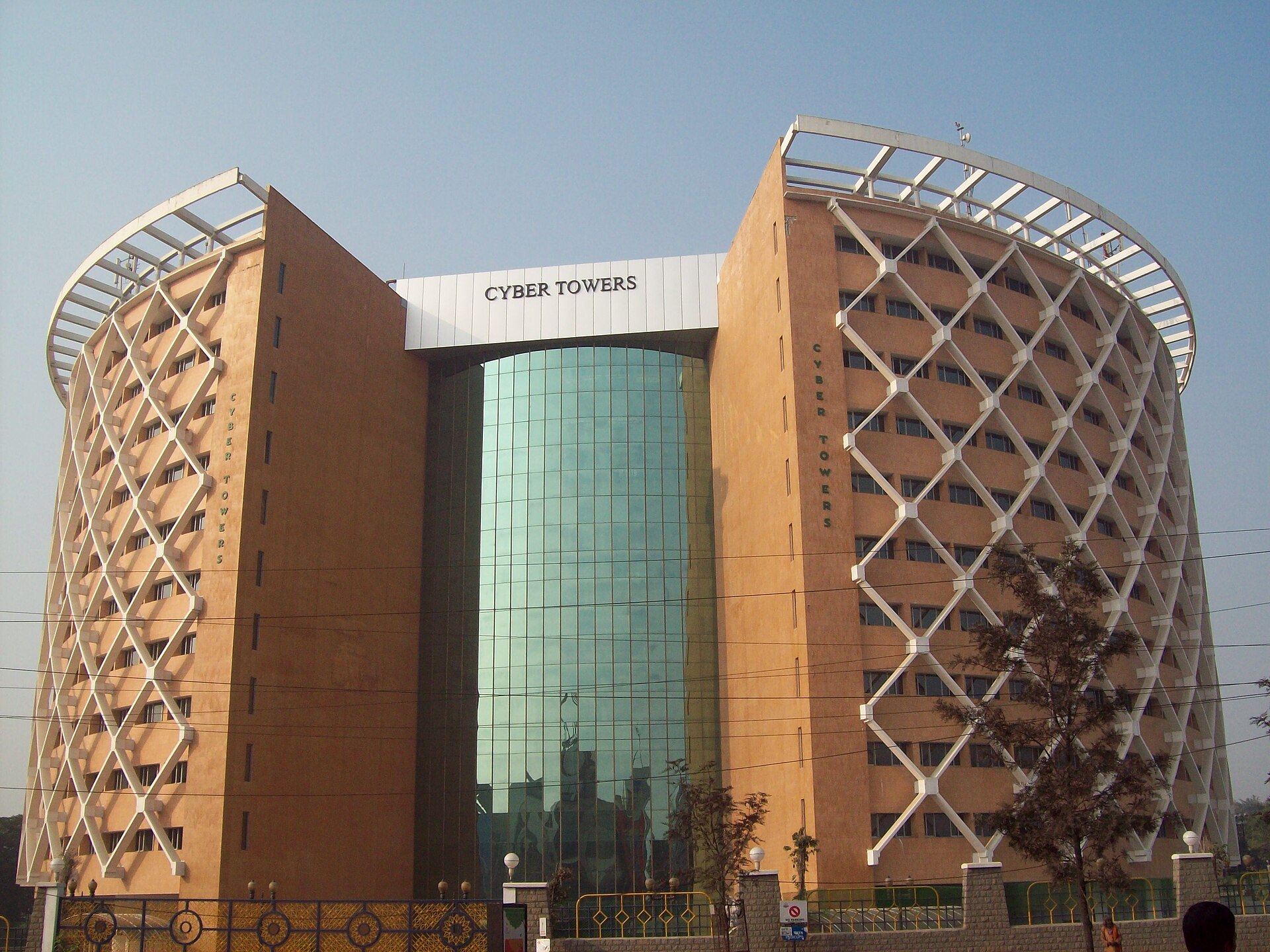
A centre that opens with a few hundred people rarely stays that size. Hyderabad has several business districts, including Madhapur, Gachibowli, HITEC City and the Financial District, so a company can grow without leaving town. Backbase’s latest expansion was about precisely that: it needed more space.
Customers matter as well. Backbase named proximity to them as a reason, and Hyderabad is home to 51 of India’s 333 BFSI GCC units. Then there is the paperwork. Telangana’s TS-iPASS gives eligible industrial projects one window for approvals, with set procedures and timelines. Anyone who has planned a build-out in India knows a reliable timeline can be worth as much as the incentive itself.
Where states should compete
For companies, this turns site selection into a question of what a city can supply over time, not just what it costs on day one. A city that fills the first hundred seats easily may struggle with the next thousand. When dozens of centres settle in the same few cities, they end up hiring from the same shrinking pool of experienced people, and costs, attrition and rents rise first. Tier-II cities will need genuine depth in one or two functions to compete. A lower price will not do it alone.
Any state can match a neighbour’s subsidy within a quarter. Building a talent cluster takes years, which is exactly why it is hard to copy. Telangana seems to see this. At the Backbase opening, IT and Industries Minister Duddilla Sridhar Babu said the state wants Hyderabad known as a global confidence centre, a place where companies work on global problems, rather than simply a GCC destination. He also noted that global companies are moving higher-value engineering work to the region.
Incentives still help, and states are right to offer them. But the cities that win the next round will be the ones with the deepest pools of specific skills. Companies pick a city for what it can give a centre in its fifth year, not for what it pays in the first.
Also read: Beyond Headcount: Measuring Real Authority in India’s GCCs
Also read: Truist builds its AI first GCC in Hyderabad with Infosys, onboards over 1,000 colleagues
Also read: Blackstone opens its Global Capability Centre in Bengaluru, its second office in India