












Gross foreign direct investment into India rose to $94.5 billion in the year to March 2026, from $80.6 billion the year before. Net FDI rose to $7.7 billion from $1.0 billion.
Equity inflows were $58.85 billion. Computer software and hardware took $13.95 billion, services $10.01 billion, trading $4.01 billion, non conventional energy $3.02 billion and food processing $3.01 billion. Automobiles drew $2.46 billion, up from $1.59 billion.
Singapore was the largest source at $19.80 billion, followed by the United States at $11.17 billion, Mauritius at $6.58 billion, Japan at $3.75 billion and the Netherlands at $3.37 billion.
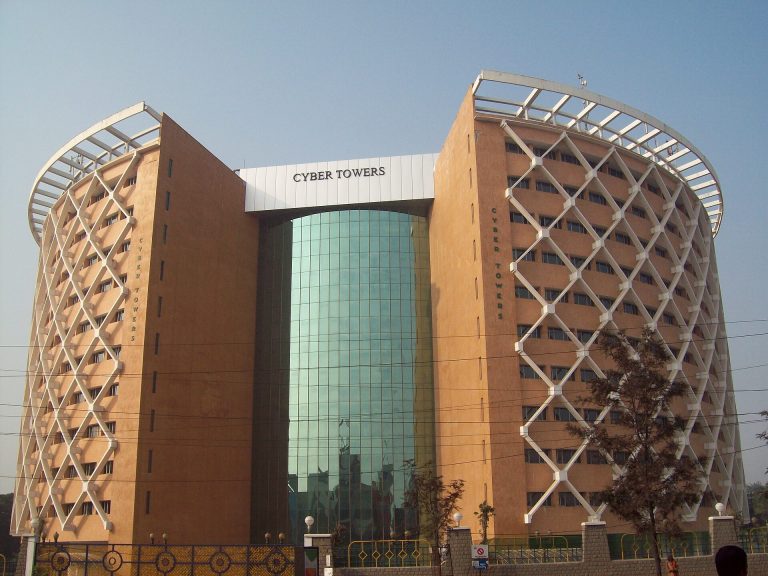
Technology is carrying the inflow. Software and hardware took nearly a quarter of all equity, and together with services the two took about 41%. Company plans point the same way. Amazon plans to invest $48 billion in India from 2026 to 2030, more than $21 billion of it in cloud and AI. Microsoft has committed $17.5 billion over 2026 to 2029, and its Hyderabad cloud region went live on 6 August. Read more in Amazon and Microsoft Are Building India’s AI Capacity.
Manufacturing is moving too. Automobile equity rose by more than half in a year. In July, Maruti Suzuki inaugurated its Kharkhoda plant in Haryana. It can make 500,000 vehicles a year now and one million at full scale, with projected investment of ₹35,000 crore including its supplier park partners.
The government has kept opening the door. In February, it allowed 100% foreign investment in insurance companies through the automatic route, with approval from the insurance regulator still required (read our analysis). In March, it eased the rules for investors linked to countries that share a land border with India. Investors with a non controlling stake of up to 10% can now come in through the automatic route, and proposals in capital goods, electronic components, polysilicon and ingot wafer production must be decided within 60 days (details here). Both changes came in the last two months of the year, so their effect will show in the figures that follow.
For the full year, net FDI was only about 8% of gross. The government attributes the gap to two things: foreign investors taking home more of what they earn, and Indian companies investing more abroad under rules liberalised in 2022. Both are signs of a larger economy. Foreign companies are earning enough here to repatriate profits, and Indian companies are now big enough to expand overseas.
This year has started differently. In July 2026, gross inflows were $14.58 billion and net FDI was $7.35 billion, about half of gross. One month is not a trend. But if net holds near that share, India will keep far more of the foreign capital it attracts than it did last year.
That is the number to follow. Japan has set a target of ¥10 trillion in private investment in India over ten years (where that money is going), and the Amazon and Microsoft commitments run to 2030 and 2029. Our India Investment Pledge Tracker follows how much of each turns into money on the ground. For the company side of the story, read Global Companies Are Choosing to Build in India, Not Just Visit.
Spotted something wrong, missed or incorrectly stated? Drop us a note at editorial@thenarrativerepublic.com and we will look into it.