


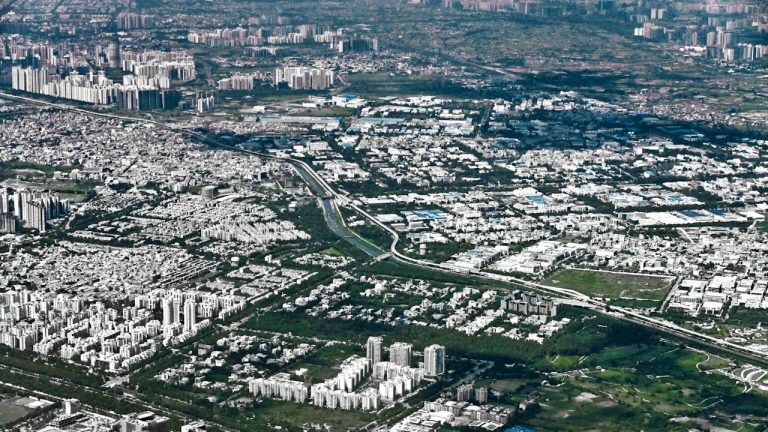






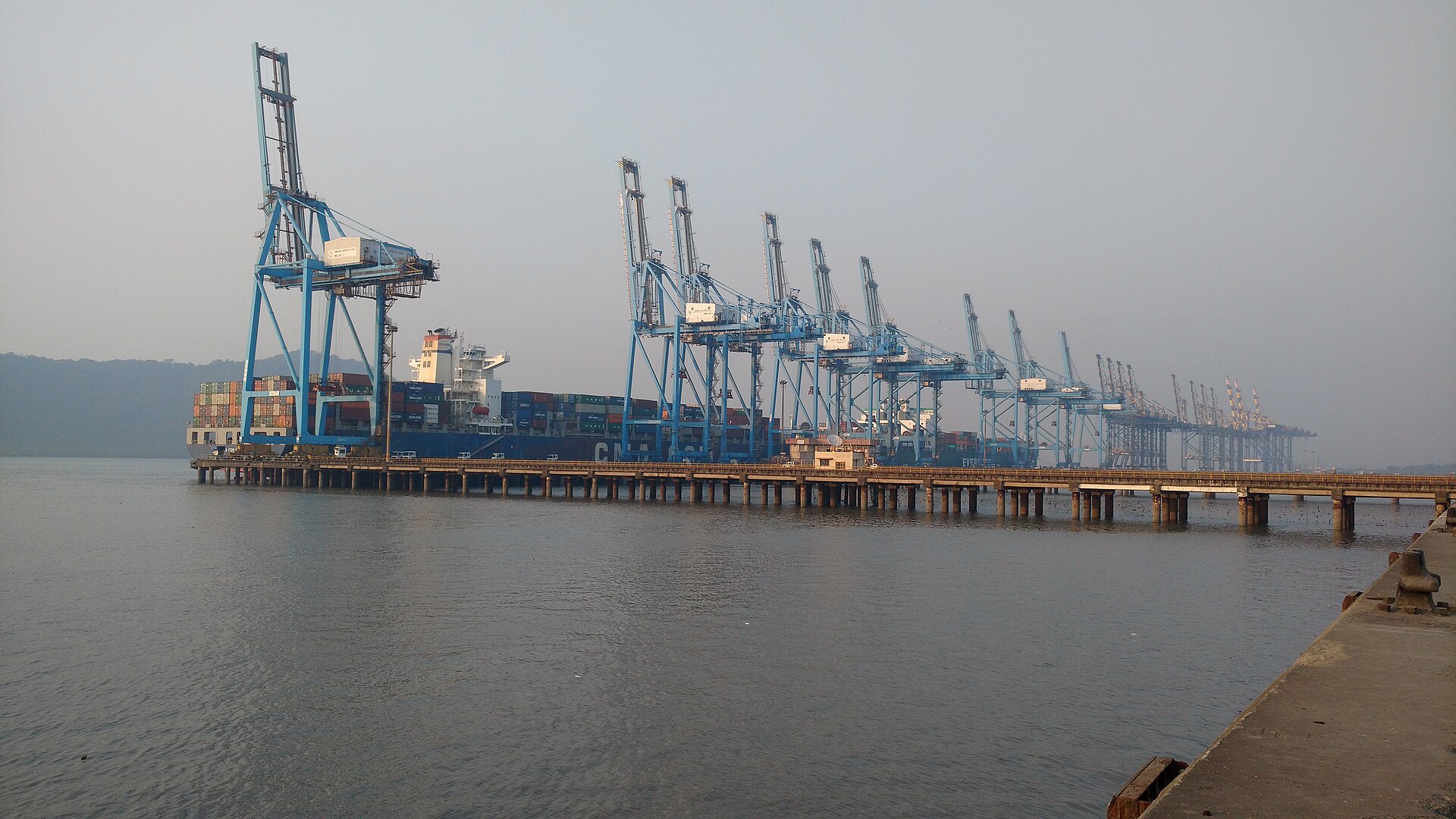
About 6,000 EU companies operate in India. In 2024 they had €186 billion in turnover, around 5% of India’s GDP and close to a quarter of its manufacturing turnover. They employ 3.7 million people directly and support about 2 million more jobs through supply chains. Their exports from India came to €23.5 billion, around 6% of India’s total. These are the businesses the trade agreement will touch first.
Negotiations concluded on 27 January 2026, after talks that began in 2007, stopped in 2013 and restarted in 2022. In September, the European Commission sent its proposal for signature to the Council. The remaining steps on the EU side are Council adoption, signing, the European Parliament’s consent and a final Council decision. India has to complete its own ratification as well. In May, the EU Ambassador to India, Hervé Delphin, said the agreement could hopefully enter into force in the first half of 2027 if ratification goes smoothly. Until then, none of the tariff cuts apply.
When they do apply, the cuts are wide. India will remove duties on 86% of tariff lines, covering 93% of EU exports by value. Counting partial cuts, 96.6% of EU exports get better terms. The EU estimates its companies will save up to €4 billion a year in duties.
The cuts do not all start on the same day. Chemical duties of up to 22% will mostly go when the agreement takes effect. On machinery, where duties go up to 44%, half the tariffs are cut at the start and the rest over as long as 10 years. Most duties on car parts go after five to ten years. Pharmaceutical duties of 11% fall to zero for almost all products, mostly over five or seven years. Car tariffs drop from 110% to 10%, but only within a quota of 250,000 vehicles. Wine falls from as much as 150% to between 20% and 30%.
The benefit also runs back towards India. The EU will remove or reduce duties on more than 99% of Indian goods exports. That matters to EU companies that already make things in India, because their factories here become a cheaper base for selling into Europe.
To get the lower duties, a product has to meet the rules of origin. Exporters certify origin themselves by filing a statement on a portal, customs authorities can check it, and the preference can be refused after verification. Companies that cannot document where their materials come from will pay normal duty.
Services are covered too. The agreement gives improved access in financial services and maritime transport. It includes transparency rules on senior management, boards and local presence, and provisions on professional mobility. An investment protection agreement is still being negotiated separately.
The EU expects its goods exports to India to double by 2032. For European companies already operating here, the work before entry into force is practical: match products to the tariff schedules, check supplier records against the origin rules, and review contracts and prices.
Siemens, Bosch, Airbus and other European companies are in our Foreign Companies in India directory.