

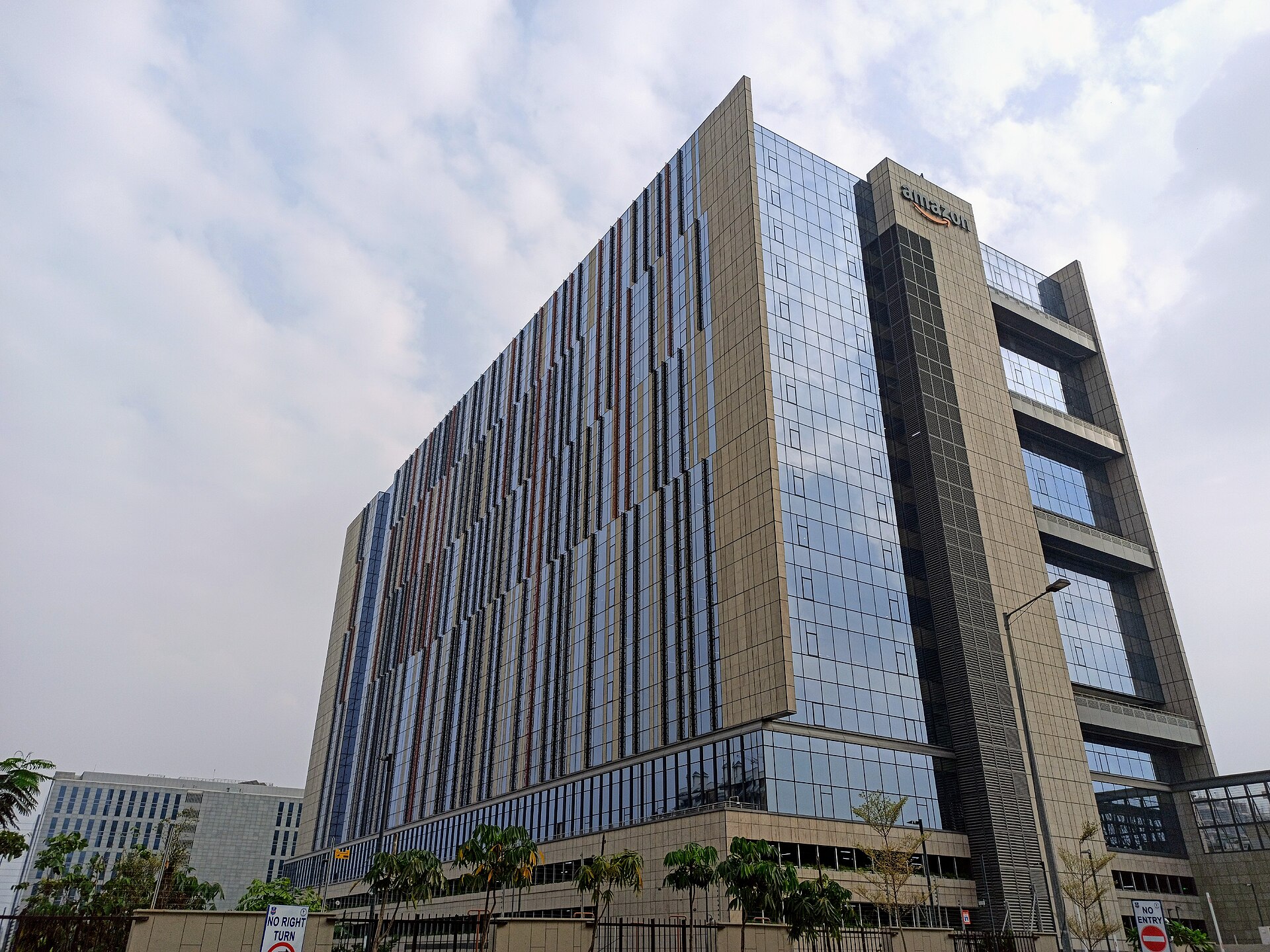
Amazon said on 25 June that it will invest more than $48 billion in India by 2030. Over $21 billion of that is for cloud and AI infrastructure between 2026 and 2030, and it will add data centre capacity in Mumbai and Hyderabad. On 15 July, AWS broke ground on a new data centre at Bharat Future City in Hyderabad, with Telangana Chief Minister A. Revanth Reddy present. AWS opened its Hyderabad region in 2022 and had invested more than $1.3 billion in it by the end of 2025.
Microsoft announced $17.5 billion for India last December, to be spent from 2026 to 2029. The company called it its largest investment in Asia. Part of that money has already turned into a working facility. On 6 August, Microsoft opened its India South Central cloud region in Hyderabad, with three availability zones. It is the company’s fourth region in India, after Pune, Chennai and Mumbai, and Microsoft says it will be its largest hyperscale region in the country. Adani Group, Bajaj Finserv, HDFC Bank and PB Pay were among its first customers.
In September, Microsoft named the Hyderabad region a strategic hub for Asia and the Global South. It also joined a planned 3,600 km subsea cable linking India, Malaysia and Singapore, which will land at Machilipatnam and South Chennai. The cable is due to be ready in 2029.
Taken together, two of the world’s largest cloud companies are putting their newest Indian capacity in the same city, and both are building for more than the Indian market. For Hyderabad and for Telangana, that is a clear win.
Building capacity is the easy part to measure. What matters next is how many Indian companies move from trials to daily use, and whether that use pays for itself. The early customer list is a strong start. It is mostly large financial firms, though, and the broader base of Indian businesses has yet to show the same uptake.
Both companies are also training people. Amazon’s data centre skilling programme in Hyderabad has trained 250 candidates and hired 110 of them into AWS operations. Microsoft says more than 10 million Indians have received AI skills through its programmes, and it is aiming for 20 million by 2030.
India now has more of the computing power an AI economy needs, and more is under construction. The return on it will depend on what Indian businesses build with it.
Amazon and Microsoft are in our Foreign Companies in India directory.
Also read: Amazon Commits $48 Billion to India Through 2030, Adding $13 Billion for AI and Cloud
Also read: Can India’s Data Centre Expansion Keep Pace With Its Power Requirements?