

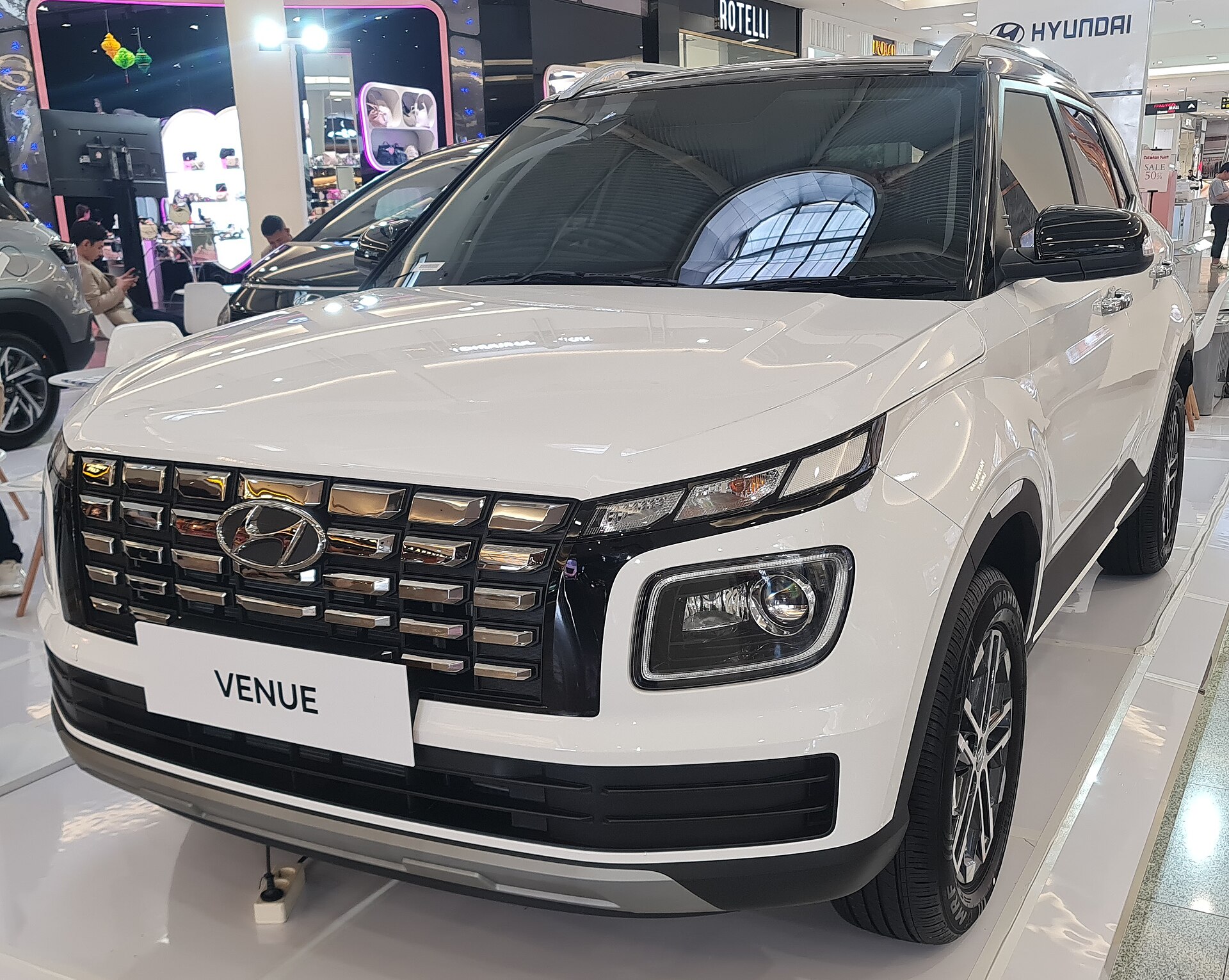
The new Venue coming off the line at Hyundai’s plant in Talegaon, Pune, won’t be sold in India. The plant opened on 14 October 2026, and the car made there is for overseas buyers only, with exports planned to more than 35 countries. Capacity starts at 170,000 a year and is due to reach 320,000 by 2030.
That stands out because India is a big market for Hyundai at home as well. It has sold cars here since 1996 and has close to 10 million customers. In September 2026, Hyundai Motor India sold 57,166 cars domestically and exported 20,750, its best month ever.
A day before the Pune opening, Hyundai Motor Group committed $15.5 billion to India for 2026 to 2032. The money goes into more capacity at Hyundai Motor India and Kia India, local suppliers and new mobility businesses. It also funds an R&D centre with about $700 million planned, including a test track. The group said it wants India to be one of its leading export platforms. Across Chennai, Pune and Anantapur, it already has capacity for more than 1.4 million vehicles a year.
Foreign companies have usually come to India either to sell here or to make things here for other markets. Hyundai does both from the same plants, and the record so far is good. It has exported 4 million passenger vehicles from India since 1999, the first carmaker to get there.
Phones went the other way. For years India was mostly a market for imported handsets. Now smartphones are its largest export item, and Apple’s supplier network is a big part of that.
Software and services have taken the export route for much longer. Backbase, the Amsterdam banking software company, had fewer than 50 engineers in India in 2020 and has more than 600 now. Its Hyderabad team is the largest it has outside Amsterdam, and it works for banks around the world.
The pressures differ depending on the role. If you are here mainly to sell, the worry is local competition and pricing. If India is your export base, you get measured against your own plants elsewhere on cost, quality and delivery, and government support matters far more. The electronics incentive scheme ran out on 31 March 2026, and the ₹62,500 crore Mobile Phone Manufacturing Scheme picks up from FY2026-27, so phone makers have not been left without cover.
Suppliers get pulled along by the export side. Hyundai says 55 supplier partners have put nearly ₹4,600 crore into Maharashtra around the Pune plant. Parts for a car shipped to 35 countries have to meet those countries’ standards, and that tends to lift the whole supplier base.
A company that starts here for the market and adds exports later gets to use the scale it already built at home. That is roughly what Hyundai has done over three decades. With Pune, the export side has been planned in from day one.
Hyundai, Kia and Apple are in our Foreign Companies in India directory, and Backbase is in our India GCC Tracker.
Also read: India Has Won Phone Assembly. Components Are the Next Round