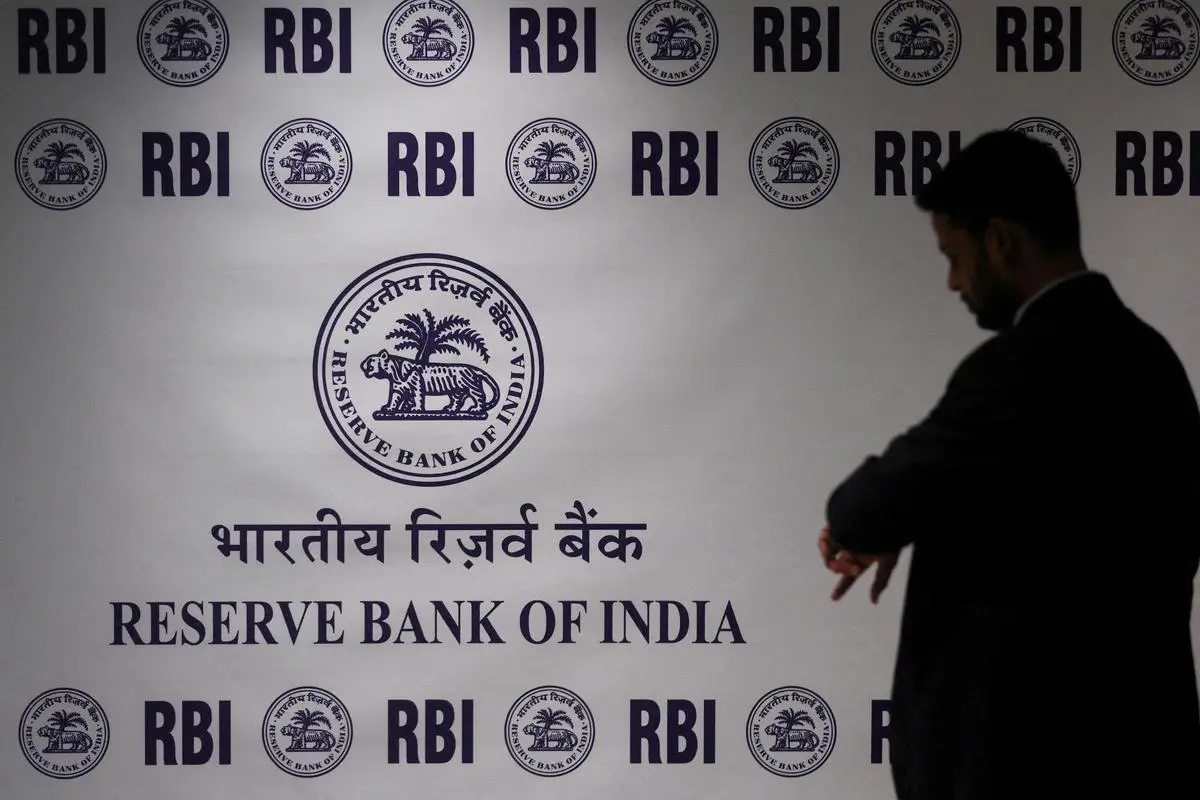
India’s central bank, the Reserve Bank of India (RBI), has decided against allowing foreign investors to settle trades in Indian government bonds through international platforms such as Euroclear. This is despite recent tax changes designed to attract more overseas money into Indian debt markets, according to three people familiar with the discussions.
Instead, the RBI wants foreign investors to trade directly on India’s own electronic bond trading system, known as the Negotiated Dealing System-Order Matching platform, or NDS-OM.
Over the past six years, India has steadily opened its bond market to foreign investors. Steps have included creating a category of bonds with no limits on foreign ownership and, more recently, scrapping capital gains tax for overseas investors in these securities.
The RBI had looked into offshore settlement before, at a time when foreign interest in Indian bonds was weak. Those talks stalled because of the capital gains and withholding taxes that existed back then.
Even with those taxes now removed, the central bank still prefers settlement through India’s local clearing system. Officials believe this gives better price discovery and makes buying and selling easier.
One source explained the RBI’s thinking this way:
“Let all liquidity be on NDS-OM and let foreigners participate on NDS-OM. If we allow global clearing platforms, it will fragment liquidity.”
The sources spoke on condition of anonymity because they are not authorized to talk to the press. The RBI did not respond to a request for comment. A Euroclear spokesperson declined to comment.
Last year, financial technology company MarketAxess launched an electronic trading platform that lets foreign investors trade Indian government bonds directly. This system connects to the Clearing Corporation of India’s NDS-OM platform through a plug-in, allowing foreign and domestic investors to trade alongside each other. Bloomberg is reportedly also working on a similar connection to NDS-OM, according to sources. A Bloomberg spokesperson declined to comment.
Jayesh Mehta, vice chairman and chief executive officer of DSP Finance, commented on investor habits and market structure, noting that using Euroclear has become routine for many foreign debt investors, but argued that NDS-OM’s order-driven design makes direct investment the better choice from a liquidity standpoint.
Indian government bonds have already been added to major global bond indices, including the J.P. Morgan Emerging Market Bond Index and the Bloomberg Local Currency Emerging Market Bond Index. A Bloomberg index committee is expected to review India’s inclusion in a broader global bond index this month.
Since India removed taxes on foreign investment in government securities on June 5, foreign investors have poured $2 billion into Indian bonds — compared with $1.6 billion during the first five months of the year combined.